



Musicman666
-
Posts
474 -
Joined
-
Last visited
Recent Profile Visitors
2,014 profile views


Musicman666's Achievements


-
FS/FT: 1976 Fender Musicmaster Olympic White £1100
Musicman666 replied to 4Everdelayed's topic in Basses For Sale
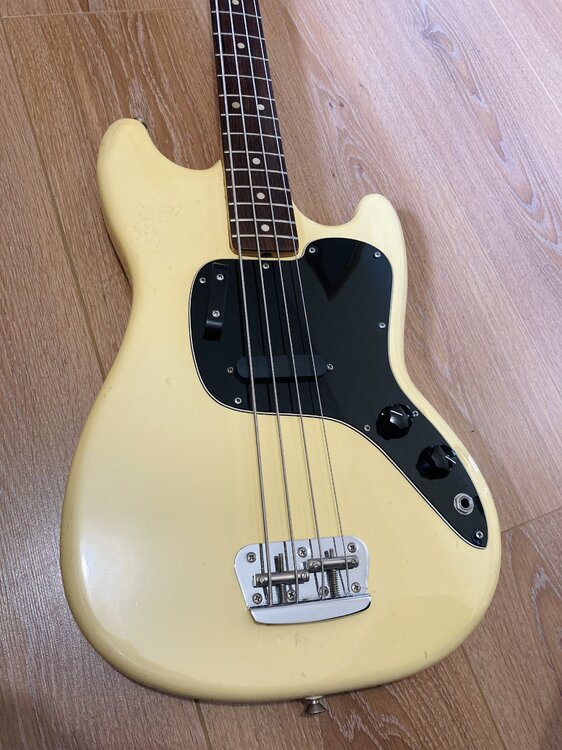 my first bass back in the day ..
 -
Anyone know a Luthier who refrets Graphite Necks?
Musicman666 replied to HeadlessBassist's topic in General Discussion
..so easily triggered ..chilax dude.... if you bothered to peer through the red mist it did mention glue,...it was so obviously ai (a little bird) lol, only an idiot would possibly think otherwise but the question of whether the grooves are cut fret ready of just lines is a valid one ..ps ..my two s2 basses i had made over covid, i definitely got the impression my lined one could be easily fretted from my conversations i had while they were being made...but your mileage might vary. -
Anyone know a Luthier who refrets Graphite Necks?
Musicman666 replied to HeadlessBassist's topic in General Discussion
a little bird...... the question i would ask rob is are the grooves cut deep to accept frets or are they just for the lines?? A phenolic (sometimes called Richlite) fingerboard can definitely be fretted, but it behaves differently from traditional woods like rosewood or maple. Phenolic is a dense, synthetic composite material, so there are a few considerations: Key Points Durability: Phenolic is extremely tough and stable. It resists wear better than most woods, which is why it’s often used on fretless basses. This toughness also means it can hold frets securely once installed. Workability: Cutting fret slots and shaping the radius is possible, but you need sharp tools and patience. The material is harder on saw blades and files than wood. Fretting Process: Frets can be tapped or pressed in, but some luthiers recommend using glue (like hide glue or CA) to ensure they stay seated, since phenolic doesn’t compress around the tang the way wood does. Existing Lines: If your bass already has fret lines cut into the phenolic board (common on fretless instruments with “lined” fingerboards), those grooves can be used as guides for installing actual frets. The challenge is whether the slots are the correct depth and width for fret tangs. If they’re shallow or narrow, they’ll need to be recut. Tone & Feel: Fretted phenolic fingerboards tend to sound bright and articulate, with a snappy attack compared to wood. Some players love this clarity, while others find it less warm. Risks & Considerations If the fret slots aren’t properly prepared, frets may not seat well and could pop out. Phenolic dust can be irritating when sanding or cutting, so protective gear is recommended. Once fretted, the instrument loses the smooth fretless feel that phenolic boards are prized for, so it’s worth considering whether you’d prefer to keep it fretless. If your lined phenolic fingerboard already has grooves in the right places, it’s not an “issue” to fret it—it’s more about ensuring the slots are cut to proper dimensions and using the right installation technique. Would you like me to walk you through the specific steps a luthier would take to convert a lined fretless phenolic board into a fretted one? -
Anyone know a Luthier who refrets Graphite Necks?
Musicman666 replied to HeadlessBassist's topic in General Discussion
aren't the fretless fretlines just epoxy filled grooves waiting for frets to be hammered in? -
Stranglers keyboard on the Repair Shop tonight
Musicman666 replied to Nail Soup's topic in General Discussion
the bit that made me laugh was for quite a while he didn't even know they were ripped. -
...it was a late balmy sunset afternoon ..there were fires and flags randomly scattered amongst the restless reading rock festival crowd ...hundreds of bottles of piss flew from one encampment to the other relentlessly, it reminded me of some medieval tribe going to war ...so what better band to get them all riled up than big country sounding the pipes ...they were truly in their element ...this was what they had been preparing for ...i had never seen them live before and i would never see them again but that was ok because i knew i had seen them at their best ..
-
the police used to be a two bassist band ...
-
your never alone with a bass...
-
some might say a tarts window box... or i didn't know huggy bear slappa da bass ...but i think it's very nice.
-
already i'm my head i know i will own one of these one day ...it's not a question of if but when ...but having said that my preamp collection is getting a tad out of hand ...its embarassing.
-
i see what u did there...
-
hejirah by joni mitchell is as good as it gets ...jaco only played on four tracks but that's enough to seal the deal for me.
-
my relic ..put a few extra doinks on it since i dont have to be treating it with kid gloves.
-
Having my first bass lesson today after 44 years
Musicman666 replied to police squad's topic in General Discussion
my exact thoughts ...couldn't really see the point of them until i got the origin cali and now it's an always on vital part of my setup. -
what is that centre mm pickgaurd all about?

